Skateboarding vs other action sports is a debate that fires up athletes and hobbyists alike. Each discipline offers unique thrills, challenges, and communities. But which one fits your lifestyle best? This guide breaks down skateboarding against rollerblading, BMX, scootering, and surfing. By the end, readers will have a clear picture of what each sport demands and delivers. Whether someone craves street tricks, ramp sessions, or ocean waves, this comparison helps cut through the noise and find the right match.
Table of Contents
ToggleKey Takeaways
- Skateboarding vs other action sports comes down to accessibility, budget, and personal lifestyle—skateboarding offers the lowest cost and works almost anywhere with pavement.
- Skateboarding demands more balance and technical skill than scootering or rollerblading but rewards riders with greater creative freedom and trick variety.
- BMX requires a higher upfront investment ($300–$1,000+) and more upper body strength, while skateboarding setups cost under $200 and focus on leg strength and reflexes.
- Surfing and skateboarding share a historical connection, but skateboarding wins for practicality since it doesn’t depend on ocean access or weather conditions.
- Try each sport before committing—rent or borrow gear and connect with local communities to find the best fit for your goals and lifestyle.
Skateboarding vs Rollerblading
Skateboarding and rollerblading share common ground. Both sports thrive in skate parks, urban streets, and half-pipes. But, the experience differs significantly.
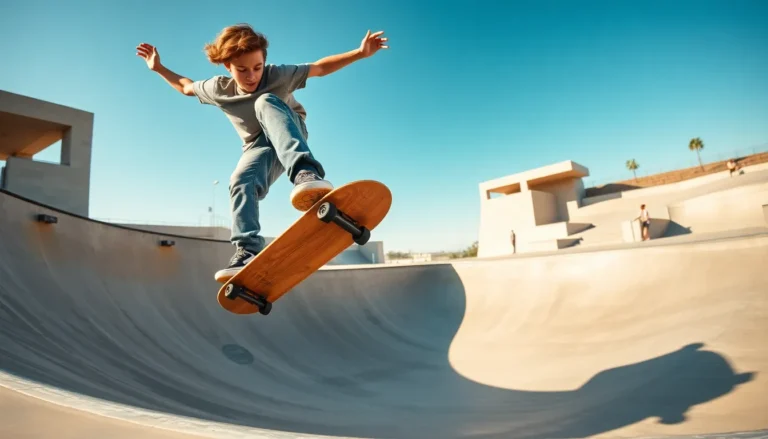
Skateboards use a single wooden deck with four wheels attached to trucks. Riders push with one foot and balance on the board. Tricks like kickflips, ollies, and grinds define the sport. The learning curve can be steep, but the payoff is immense creative freedom.
Rollerblading, also called inline skating, straps wheels directly to the rider’s feet. This setup provides more stability for beginners. Skaters can reach higher speeds and perform aggressive tricks like soul grinds and spins.
Key Differences:
- Balance: Skateboarding requires constant micro-adjustments. Rollerblading offers a more locked-in feel.
- Tricks: Skateboarding emphasizes flip tricks and board manipulation. Rollerblading focuses on grinds and aerial maneuvers.
- Portability: Skateboards are easier to carry. Rollerblades take more effort to transport.
- Injury risk: Both sports carry risks, but skateboarding often leads to more ankle and wrist injuries due to board separation.
Skateboarding holds stronger cultural influence today. It became an Olympic sport in 2021 and continues to dominate action sports media. Rollerblading saw peak popularity in the 1990s but maintains a dedicated following.
Skateboarding vs BMX
The skateboarding vs BMX rivalry runs deep. Both communities frequent the same parks and share similar trick philosophies. Yet the equipment and execution differ.
BMX riders use compact bicycles designed for stunts. These bikes feature reinforced frames, smaller wheels, and pegs for grinding. Riders can go bigger on ramps due to the bike’s momentum and structure.
Skateboarders work with a simpler tool. The board responds to subtle weight shifts and foot placement. This sensitivity allows for technical flatground tricks that BMX can’t replicate.
Cost Comparison:
- A quality skateboard setup costs between $100 and $200.
- A decent BMX bike starts around $300 and can exceed $1,000 for professional models.
Physical Demands:
BMX generally requires more upper body strength. Riders pull, push, and maneuver a 25-pound bike through the air. Skateboarding demands strong legs, core stability, and quick reflexes.
Space Requirements:
Skateboarding works almost anywhere, sidewalks, parking lots, plazas. BMX needs more room for speed and landing. Urban skateboarders often find more spots to session than BMX riders.
Both sports share a DIY ethos. Skaters and BMX riders build their own ramps, film their own videos, and support independent brands. The communities often overlap, and mutual respect runs strong.
Skateboarding vs Scootering
Skateboarding vs scootering generates heated opinions. The debate often centers on legitimacy and skill perception.
Scooters have handlebars attached to a deck with two inline wheels. Riders grip the bars and kick with one foot. This design makes scooters the easiest action sport to pick up. Kids often start on scooters before transitioning to other disciplines.
Skateboarding lacks handlebars. Riders must balance entirely through foot placement and body movement. This difference raises the difficulty floor significantly.
Trick Variety:
Scooter tricks include tailwhips, bar spins, and flairs. The handlebar connection limits certain movements but enables others. Skateboarding offers a broader trick vocabulary, flip tricks, slides, manuals, and countless variations.
Perception in the Community:
Scootering faces an image problem in action sports circles. Many skateboarders view scooters as less legitimate. This stigma is fading as professional scooter riders push the sport’s boundaries and land impressive stunts.
Practical Considerations:
- Scooters cost less initially (quality setups run $150-$400).
- Skateboarding requires more practice time to achieve basic competence.
- Scooters pose collision risks at crowded parks due to handlebar width.
For someone seeking quick progression and immediate fun, scootering delivers. For those wanting deeper skill development and cultural connection, skateboarding wins.
Skateboarding vs Surfing
Skateboarding vs surfing shares an interesting history. Surfers in 1950s California invented skateboarding to practice when waves were flat. Today, both sports maintain this sibling connection.
Surfing requires ocean access. Riders paddle out, catch waves, and carve across water. The experience depends entirely on natural conditions. Good waves might appear once a week or once a month.
Skateboarding happens on demand. A skater can practice anywhere with pavement. This accessibility makes skateboarding far more practical for most people.
Skill Transfer:
The sports share similar balance principles. Surfers often pick up skateboarding quickly, and skateboarders adapt to surfing faster than complete beginners. Carving motions, weight distribution, and flow concepts translate between both.
Lifestyle Differences:
- Surfing ties riders to coastal locations.
- Skateboarding works in any city, suburb, or town.
- Surfing gear costs more (boards range from $400 to $1,200 plus wetsuits).
- Skateboarding requires minimal investment to start.
Physical Benefits:
Surfing provides excellent upper body and core workouts from paddling. Skateboarding builds leg strength, coordination, and cardiovascular endurance through repeated pushing.
Some athletes pursue both. Surf skates, skateboards with loose trucks that mimic wave riding, help surfers train on land. This crossover equipment bridges both worlds.
How to Choose the Right Sport for Your Lifestyle
Picking between skateboarding and other action sports comes down to personal factors. Consider these questions:
Where do you live?
Coastal residents might lean toward surfing. Urban dwellers will find more skateboarding opportunities. Suburban areas with parks suit BMX and scootering.
What’s your budget?
Skateboarding offers the lowest barrier to entry. A complete setup costs under $150. BMX and surfing require larger investments upfront.
How much time can you commit?
Skateboarders can session for 30 minutes on a lunch break. Surfing demands travel time, wave-checking, and weather coordination. BMX riders need access to suitable terrain.
What are your fitness goals?
Surfing builds upper body strength. Skateboarding and scootering develop legs and core. BMX offers full-body conditioning.
Do you prefer solo or social activities?
All action sports have strong communities. But, skateboarding culture particularly emphasizes crew sessions and shared spots. Surfing can be more solitary depending on location.
Risk tolerance matters too.
Every action sport carries injury risk. Skateboarding and BMX tend to produce more frequent minor injuries. Surfing injuries occur less often but can be more severe.
The best approach is to try each sport at least once. Rent or borrow equipment before committing. Most action sports communities welcome newcomers and offer guidance.