What is skateboarding? At its core, skateboarding is a sport where riders stand on a wooden board with wheels and perform tricks, race, or simply cruise. But that definition barely scratches the surface. Skateboarding has grown from a California pastime into a global phenomenon, one that earned its spot in the 2020 Tokyo Olympics.
This guide covers everything from skateboarding’s origins to the gear you’ll need, the different styles you can try, and why millions of people around the world call themselves skaters. Whether someone is curious about picking up a board or just wants to understand what drives this culture, they’ve come to the right place.
Table of Contents
ToggleKey Takeaways
- Skateboarding is a sport where riders perform tricks, race, or cruise on a wooden board with wheels—and it has evolved into a global cultural movement.
- The sport originated in 1940s California as “sidewalk surfing” and gained Olympic recognition in 2020.
- Beginners need a quality skateboard (deck, trucks, wheels, bearings), safety gear, and flat-soled shoes to get started safely.
- Skateboarding styles include street, vert, park, cruising, and freestyle—each attracting different skill sets and personalities.
- Regular skateboarding improves physical fitness, balance, coordination, and mental health while building resilience and community connections.
- Skateboarding culture extends beyond the sport, influencing music, fashion, art, and fostering a diverse, inclusive global community.
The Origins and History of Skateboarding
Skateboarding started in California during the late 1940s and early 1950s. Surfers wanted something to do when the waves were flat, so they attached roller skate wheels to wooden planks. They called it “sidewalk surfing.”
The first commercial skateboards appeared in 1959. Companies like Roller Derby sold basic boards to an eager public. By the mid-1960s, skateboarding had its first boom. Manufacturers produced better boards, and competitions popped up across the country.
Then skateboarding nearly died. Safety concerns and a lack of quality equipment caused interest to fade by 1965. The sport stayed underground until the early 1970s, when Frank Nasworthy introduced urethane wheels. These wheels gripped pavement better and lasted longer than the old clay versions. Skateboarding was back.
The Zephyr Competition Team, also known as the Z-Boys, changed everything in 1975. Skaters like Tony Alva and Stacy Peralta brought aggressive, surf-inspired moves to empty swimming pools during California’s drought. Their style became the foundation of modern skateboarding.
The 1980s brought vert skating and the rise of Tony Hawk. The 1990s shifted focus to street skating, where skaters used stairs, rails, and ledges as their playground. Video games like “Tony Hawk’s Pro Skater” introduced skateboarding to millions of new fans in 1999.
Today, skateboarding reaches every continent. Its inclusion in the Olympics marked a new chapter for a sport that started on empty streets.
Basic Equipment You Need to Get Started
Getting into skateboarding doesn’t require a huge investment, but the right gear matters. Here’s what every beginner needs:
The Skateboard
A complete skateboard has four main parts:
- Deck: The wooden board where riders stand. Decks range from 7.5 to 8.5 inches wide. Beginners often start with an 8-inch deck for stability.
- Trucks: Metal T-shaped pieces that attach the wheels to the deck. They allow the board to turn.
- Wheels: Made of urethane, sized between 50mm and 60mm. Smaller wheels work better for tricks: larger wheels suit cruising.
- Bearings: Small metal rings inside the wheels that allow them to spin. ABEC ratings measure precision, but most skaters care more about durability.
Safety Gear
A helmet is essential, head injuries happen fast. Wrist guards, knee pads, and elbow pads protect against scrapes and fractures. Many skate parks require helmets for entry.
Footwear
Flat-soled shoes with good grip work best. Brands like Vans, Nike SB, and Etnies design shoes specifically for skateboarding. They feature reinforced areas where the board wears through fabric quickly.
Budget Considerations
A quality complete skateboard costs between $75 and $150. Cheap department store boards often have poor-quality trucks and bearings that make learning harder. Spending a bit more upfront saves frustration later.
Types of Skateboarding Styles
Skateboarding isn’t one thing, it’s many. Different styles attract different personalities and require different skills.
Street Skateboarding
Street skating uses urban environments as obstacles. Skaters grind rails, flip their boards over stairs, and slide across ledges. This style dominates skateboarding culture today. Most professional skaters focus on street skating, and it’s the most common form seen in videos and competitions.
Vert Skateboarding
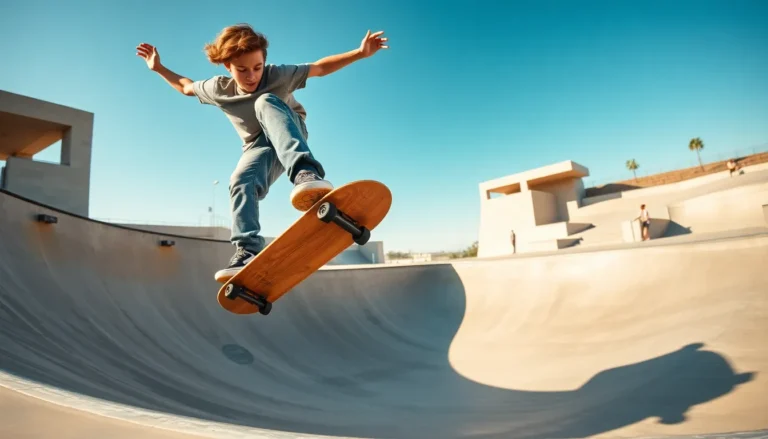
Vert skating happens on half-pipes and ramps. Skaters build speed, launch into the air, and perform spins and grabs before landing back on the ramp. Tony Hawk popularized vert skating in the 1980s and 1990s. It requires access to specialized ramps and a tolerance for big falls.
Park Skateboarding
Park skating combines elements of street and vert. Skaters move through purpose-built skate parks filled with bowls, rails, stairs, and ledges. The 2020 Olympics featured park skateboarding as one of its two skateboarding events.
Cruising and Transportation
Not everyone wants to do tricks. Many people use skateboards simply to get around. Longboards and cruiser boards offer smoother rides over longer distances. College students, commuters, and casual riders often prefer this relaxed approach to skateboarding.
Freestyle Skateboarding
Freestyle focuses on flat-ground tricks and technical footwork. Skaters spin their boards, balance in unusual positions, and create flowing sequences. This style was popular in the 1970s and has seen a recent revival.
Health Benefits of Skateboarding
Skateboarding offers real physical and mental benefits. It’s not just fun, it’s good for you.
Physical Fitness
Skateboarding burns between 150 and 500 calories per hour, depending on intensity. Pushing, balancing, and performing tricks engage multiple muscle groups. The legs, core, and ankles get the biggest workout. Regular skating builds endurance, flexibility, and coordination.
Balance and Coordination
Few activities challenge balance like skateboarding. Riders constantly adjust their weight to stay on the board. This translates to better body awareness in daily life. Studies show that balance training helps prevent falls, especially as people age.
Mental Health Benefits
Skateboarding requires focus. When someone concentrates on landing a trick, other worries fade into the background. Many skaters describe the activity as meditative. The repetition of trying, failing, and trying again builds persistence and resilience.
The skateboarding community also provides social connection. Skate parks bring people together across age, background, and skill level. Having a crew to skate with reduces isolation and creates lasting friendships.
Low Barrier to Entry
Unlike team sports, skateboarding doesn’t require a field, a team, or a scheduled practice. A person can grab their board and skate whenever they want. This accessibility makes it easier to stay active consistently.
Skateboarding as a Cultural Movement
Skateboarding is more than a sport. It’s a culture with its own music, fashion, art, and attitude.
The skateboarding community has always attracted outsiders and creative types. Punk rock and hip-hop became the unofficial soundtracks. Graphic designers created iconic board art. Photographers and filmmakers built careers documenting skate culture.
Fashion brands emerged directly from skateboarding. Supreme started as a small New York skate shop in 1994. Today it’s a billion-dollar streetwear empire. Thrasher magazine’s flame logo appears on shirts worn by people who’ve never touched a skateboard. Skateboarding’s influence on mainstream fashion is undeniable.
The DIY ethic runs deep in skateboarding culture. Skaters build their own ramps, film their own videos, and start their own companies. This independence appeals to people who don’t fit into traditional structures.
Skateboarding also carries a rebellious streak. For decades, skaters faced bans, fines, and harassment for skating in public spaces. That outsider status became part of the identity. Even as skateboarding gains mainstream acceptance through the Olympics, many skaters hold onto that countercultural spirit.
Today, skateboarding welcomes more diversity than ever. Women’s skateboarding has grown dramatically, with athletes like Leticia Bufoni and Sky Brown inspiring new generations. Skateboarding communities exist in countries from Brazil to Japan to South Africa.