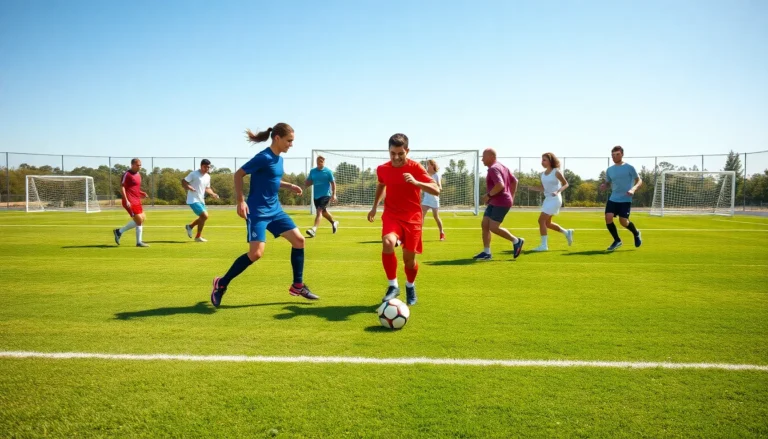
Learning how to soccer, or more specifically, how to play soccer, opens the door to one of the most popular sports on the planet. Over 4 billion fans follow the game worldwide, and millions play it every week. Soccer requires minimal equipment, offers excellent exercise, and creates strong bonds between teammates. This guide covers the essential rules, core skills, necessary gear, and practical tips that beginners need. Whether someone wants to join a local league or simply kick a ball around with friends, understanding these fundamentals makes all the difference.
Table of Contents
ToggleKey Takeaways
- Learning how to play soccer starts with understanding basic rules like the offside rule, fouls, and the role of yellow and red cards.
- Master essential skills including dribbling, ball control, passing, and shooting through daily practice sessions of at least 15 minutes.
- Start with affordable gear: a properly sized soccer ball, comfortable cleats, shin guards, and moisture-wicking clothing.
- Improve faster by watching professional matches, playing pickup games often, and focusing extra practice on your weaker foot.
- Find a local team or coach to receive structured training and push your development through game experience.
- Set specific, measurable goals like completing 50 juggles to track progress and stay motivated on your soccer journey.
Understanding the Basic Rules of Soccer
Soccer has simple rules that anyone can grasp quickly. Two teams of eleven players each compete to score goals by kicking the ball into the opponent’s net. The team with more goals at the end of the match wins.
Matches last 90 minutes, split into two 45-minute halves. A referee controls the game and enforces the rules. Players cannot touch the ball with their hands or arms, except for the goalkeeper, who can use hands within the penalty area.
Key fouls include tripping, pushing, and holding opponents. These violations result in free kicks for the opposing team. More serious fouls inside the penalty box lead to penalty kicks, which offer a clear shot at the goal from just 12 yards away.
The offside rule often confuses newcomers. A player is offside if they stand closer to the opponent’s goal than both the ball and the second-to-last defender when a teammate passes to them. This rule prevents players from camping near the goal.
Yellow cards serve as warnings for misconduct. Two yellow cards equal a red card, which sends the player off the field. A straight red card removes a player immediately for serious offenses. Understanding how to soccer means knowing these rules inside and out.
Essential Skills Every Player Needs to Learn
Success in soccer depends on mastering a few fundamental skills. Players who develop strong technique early will improve faster than those who rely on athleticism alone.
Dribbling and Ball Control
Dribbling keeps the ball close while moving across the field. Good dribblers use small, controlled touches rather than kicking the ball far ahead. They keep their heads up to watch for teammates and defenders.
Ball control involves receiving passes cleanly. Players should cushion the ball with their foot, thigh, or chest to kill its momentum. The first touch matters most, a poor first touch gives opponents time to steal the ball.
Practice dribbling through cones at varying speeds. Start slow and increase pace as comfort grows. Learning how to soccer at a high level requires hundreds of hours of dribbling practice.
Passing and Shooting
Passing connects teammates and moves the ball up the field. The inside of the foot provides the most accuracy for short passes. Players should lock their ankle, point their toe up slightly, and strike the center of the ball.
Long passes use the instep, the laces of the shoe. This technique generates more power but sacrifices some precision. Successful teams complete thousands of passes per game.
Shooting converts opportunities into goals. Power comes from the hips and core, not just the leg. Players should plant their non-kicking foot beside the ball and aim for the corners of the goal. Keepers struggle most with low shots to the sides.
Repetition builds muscle memory. Players should practice passing and shooting daily, even if only for 15 minutes.
Equipment and Gear for Getting Started
Soccer requires less equipment than most sports. A few essential items get beginners started without very costly.
Soccer Ball: Balls come in sizes 3, 4, and 5. Size 3 suits children under 8. Size 4 works for ages 8-12. Size 5 is the standard adult ball. Quality matters, cheap balls lose their shape quickly.
Cleats: Soccer cleats provide traction on grass and turf. Beginners don’t need expensive models. Look for comfortable fit and proper ankle support. Firm ground cleats work on most natural surfaces.
Shin Guards: These protect the lower leg from kicks and collisions. Leagues require them during games. Slip-in guards offer more flexibility, while guards with ankle protection suit younger players.
Comfortable Clothing: Wear athletic shorts and a moisture-wicking shirt. Avoid cotton, which holds sweat and becomes heavy. Soccer socks should cover the shin guards completely.
Training Gear: Cones, agility ladders, and small goals help solo practice. A wall or rebounder returns passes for shooting drills. These items cost little but accelerate skill development.
Goalkeepers need additional equipment: padded gloves, long pants, and sometimes padded jerseys. Those learning how to soccer as keepers should invest in quality gloves first.
Tips for Improving Your Game
Progress in soccer comes from consistent effort and smart training. These tips help beginners advance faster.
Watch Professional Matches: Study how elite players move, pass, and position themselves. Pick a player in your position and observe their decisions. YouTube highlights work well, but full matches teach more.
Play as Often as Possible: Pickup games, small-sided matches, and organized leagues all build experience. Game situations teach lessons that drills cannot replicate. The more touches on the ball, the faster skills develop.
Work on Weak Areas: Most players have a dominant foot and neglect the other. Spend extra time practicing with the weaker foot. Versatile players become harder to defend.
Stay Fit: Soccer demands endurance, speed, and agility. Running, sprinting intervals, and core exercises improve performance. Players who tire late in games make more mistakes.
Find a Team or Coach: Teammates push players to improve. Coaches identify flaws and provide structured training. Local recreation leagues welcome beginners at any age.
Set Specific Goals: Vague goals lead to vague progress. Aim for concrete targets like “complete 50 juggles” or “score with my left foot this week.” Track progress and celebrate improvements.
Learning how to soccer takes patience. Nobody masters the game overnight, but steady practice yields real results.