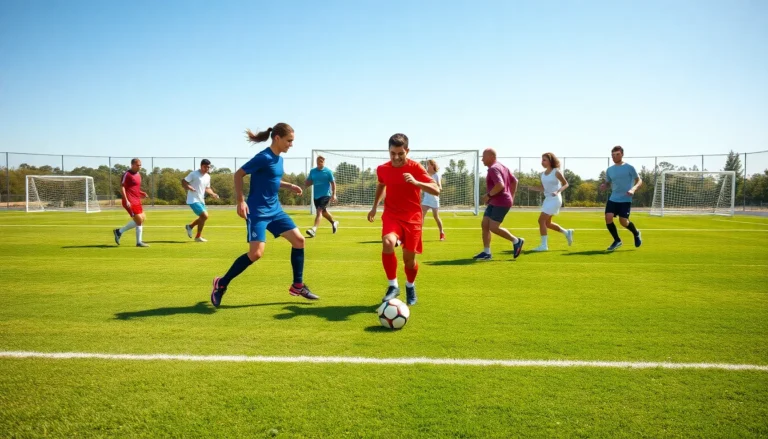
Soccer strategies separate winning teams from struggling squads. Every match showcases tactical decisions that influence possession, scoring chances, and defensive stability. Players who understand these strategies perform better on the pitch. Coaches who master them build cohesive, adaptable teams.
This guide breaks down the core soccer strategies that shape modern play. From offensive patterns to defensive formations, midfield control to set pieces, these tactics form the foundation of successful teams at every level. Whether someone plays recreationally or coaches competitively, understanding these concepts will sharpen their game.
Table of Contents
ToggleKey Takeaways
- Soccer strategies like possession-based attack, counter-attacking play, and wing play help teams create scoring opportunities while maintaining ball control.
- Defensive soccer strategies such as high press, low block, and zonal marking prevent goals by organizing the backline and limiting opponent space.
- Midfield control is essential for connecting defense and attack—holding midfielders protect the backline while playmakers orchestrate offensive plays.
- Set pieces account for roughly 30% of professional soccer goals, making corner kicks, free kicks, and throw-in routines critical to practice.
- Successful teams adapt their soccer strategies during matches by reading opponents, adjusting formations, and controlling tempo based on game state.
- Flexibility and preparation together create the most effective soccer strategies—teams that adjust faster than opponents gain decisive advantages.
Understanding Offensive Strategies
Offensive soccer strategies focus on creating scoring opportunities while maintaining ball possession. Teams use several approaches depending on their personnel and opponent weaknesses.
Possession-Based Attack
This strategy prioritizes ball control over direct attacks. Players make short, quick passes to tire opponents and create gaps in their defense. Barcelona’s famous tiki-taka style exemplifies this approach. Teams using possession-based soccer strategies often control 60% or more of the ball during matches.
Counter-Attacking Play
Counter-attacks exploit space left by advancing opponents. When a team wins the ball, they quickly transition forward with long passes or rapid dribbling. This soccer strategy works well against possession-heavy teams. Speed and clinical finishing are essential for success.
Wing Play and Crossing
Teams stretch defenses by attacking down the flanks. Wingers and overlapping fullbacks deliver crosses into the box for strikers. This strategy creates aerial opportunities and pulls central defenders out of position.
Direct Play
Some teams bypass the midfield with long balls to target strikers. This approach reduces passing risk and puts immediate pressure on the backline. Physical forwards who win aerial duels thrive in this system.
Offensive soccer strategies require coordination between all attacking players. Movement off the ball matters as much as movement with it.
Mastering Defensive Formations
Strong defensive soccer strategies prevent goals and frustrate opponents. Teams organize their back lines using specific formations and principles.
The Four-Back System
Most professional teams deploy four defenders: two center-backs and two fullbacks. This formation provides width and central solidity. Fullbacks can join attacks while center-backs maintain defensive shape.
Three-Back Formations
Three center-backs offer extra protection against strong attacking teams. Wing-backs provide width, but they must cover significant ground. This soccer strategy works best with athletic, versatile defenders.
High Press
Defensive pressure starts at the opponent’s backline. Teams press aggressively to force turnovers in dangerous areas. Liverpool and Manchester City have perfected this approach. It demands exceptional fitness and collective commitment.
Low Block
Teams sit deep and compact near their own goal. They concede possession but limit space for attackers. This soccer strategy frustrates technically skilled opponents and creates counter-attacking chances.
Zonal vs. Man-Marking
Zonal marking assigns players to areas rather than specific opponents. Man-marking shadows individual attackers throughout the match. Most teams blend both approaches based on match situations.
Defensive soccer strategies succeed through communication, positioning, and discipline. One mistake can undo ninety minutes of solid work.
Midfield Control and Transitional Play
The midfield connects defense and attack. Teams that control this area typically control matches. Midfield soccer strategies focus on winning possession, retaining it, and distributing effectively.
The Holding Midfielder
This player screens the defense and breaks up opponent attacks. They position themselves between the backline and advancing threats. Defensive midfielders rarely venture forward but provide crucial protection.
Box-to-Box Play
Box-to-box midfielders cover the entire pitch. They defend deep and attack high. This soccer strategy requires exceptional stamina and tactical awareness. Players like N’Golo Kanté exemplify this demanding role.
Playmaker Positioning
Creative midfielders find pockets of space to receive the ball. They orchestrate attacks with through balls, switches of play, and final passes. Their vision and technique often determine match outcomes.
Transitional Moments
The seconds after winning or losing the ball are critical. Successful teams react instantly during transitions. Quick counter-presses regain possession before opponents organize. Fast breaks exploit defensive disorganization.
Midfield soccer strategies require balance. Too many attackers leave the defense exposed. Too many defenders limit offensive output. Smart coaches adjust their midfield shape based on opponent strengths and match context.
Set Pieces and Dead Ball Situations
Set pieces account for roughly 30% of goals in professional soccer. These soccer strategies deserve specific attention during training.
Corner Kicks
Teams plan delivery zones and runner movements before matches. Near-post flick-ons, far-post headers, and short corners create different threats. Defensive assignments must be crystal clear to prevent confusion.
Free Kicks
Direct free kicks near the goal offer shooting opportunities. Indirect free kicks and those from deeper positions require planned routines. Decoy runners, clever angles, and rehearsed movements catch defenses off guard.
Penalty Kicks
Designated takers should practice consistently. Goalkeepers study opponent tendencies through video analysis. Mental preparation matters as much as technical execution during these high-pressure moments.
Throw-Ins
Long throw specialists create aerial threats similar to corners. Quick throws catch opponents unprepared and maintain attacking momentum. Teams should practice throw-in routines just like other set pieces.
Set piece soccer strategies turn dead-ball situations into scoring chances. Teams that execute these plays effectively gain significant advantages over less-prepared opponents.
Adapting Strategies During a Match
Pre-match plans rarely survive first contact unchanged. Successful teams adjust their soccer strategies based on in-game developments.
Reading the Opponent
Coaches and players identify opponent patterns during play. Maybe the left-back pushes too high. Perhaps the holding midfielder leaves gaps. Recognizing these tendencies creates exploitation opportunities.
Formation Changes
Substitutions allow tactical shifts. A team chasing a goal might switch from 4-3-3 to 3-4-3 for extra attacking presence. A team protecting a lead might add a defensive midfielder. These changes communicate intent to players.
Tempo Adjustments
Slowing down conserves energy and frustrates opponents seeking quick transitions. Accelerating catches tired defenses off guard. Controlling match tempo represents an underrated soccer strategy.
Game State Awareness
Leading teams prioritize possession and reduce risks. Trailing teams accept more attacking risks. Understanding game state helps players make appropriate decisions without constant instruction.
The best soccer strategies combine preparation with flexibility. Teams that adjust faster than opponents gain decisive advantages.