Best skateboarding starts with the right knowledge, gear, and dedication. Whether someone picks up a board for the first time or wants to sharpen existing skills, understanding the fundamentals makes all the difference. Skateboarding has grown from a niche pastime into a global sport with millions of participants. The 2020 Tokyo Olympics even featured skateboarding as an official event, cementing its place in mainstream athletics.
This guide covers everything skaters need to know. From selecting quality equipment to learning essential tricks, readers will find practical advice they can apply immediately. The best skateboarding experiences come from preparation, practice, and passion for the craft.
Table of Contents
ToggleKey Takeaways
- The best skateboarding starts with quality gear—choose an 8-inch maple deck, properly sized trucks, and wheels suited to your skating style.
- Master fundamental skills like stance, pushing, and the ollie before attempting advanced tricks to build good habits and reduce injuries.
- Explore different skateboarding disciplines—street, vert, transition, or longboarding—to find the style that matches your interests.
- Film your sessions to identify technique flaws and track your progress over time.
- Practice consistently with short, focused daily sessions rather than occasional long marathons for faster skill development.
- Protect your body with proper safety gear, stretching, and rest days to keep skateboarding sustainably.
Essential Gear for Skateboarding Success
Good gear separates frustrating sessions from productive ones. Skaters who invest in quality equipment progress faster and stay safer on the board.
The Skateboard Deck
The deck forms the foundation of any setup. Decks range from 7.5 to 8.5 inches wide. Narrower boards (7.5–7.75 inches) suit street skating and technical tricks. Wider boards (8.25–8.5 inches) provide more stability for ramps and vert skating. Most beginners do well with an 8-inch deck as a starting point.
Maple wood remains the standard material. Seven-ply construction offers the best balance of strength and flexibility.
Trucks and Wheels
Trucks connect the wheels to the deck and control turning. They should match the deck width closely. A 7.75-inch deck pairs with 129mm trucks, while an 8.5-inch deck needs 149mm trucks.
Wheel hardness matters too. Softer wheels (78A–87A) absorb rough surfaces well. Harder wheels (99A–101A) slide better for tricks on smooth concrete. Street skaters typically choose 52–54mm wheels, while park skaters prefer 54–58mm.
Safety Equipment
Helmets prevent serious head injuries. CPSC-certified helmets meet safety standards for skateboarding. Knee pads, elbow pads, and wrist guards add protection during falls. New skaters fall often, protective gear keeps them skating instead of recovering from injuries.
Quality skate shoes with flat soles provide grip and board feel. Reinforced toe caps extend shoe life since tricks wear through material quickly.
Fundamental Skills Every Skateboarder Should Learn
Best skateboarding performance builds on solid fundamentals. Skaters who master basics before attempting advanced tricks develop better habits and reduce injury risk.
Stance and Balance
Skaters ride either regular (left foot forward) or goofy (right foot forward). Neither stance is better, it depends on what feels natural. Testing both positions helps beginners find their preference.
Proper foot placement keeps riders stable. The front foot sits near the front bolts, angled slightly. The back foot rests on the tail. Knees stay bent to absorb bumps and maintain control.
Pushing and Stopping
Pushing generates forward motion. The front foot stays on the board while the back foot pushes against the ground. Smooth, controlled pushes work better than frantic kicks.
Stopping safely takes practice. The foot-drag method works for beginners, placing the back foot on the ground creates friction. Tail-dragging scrapes the board’s tail against pavement. More advanced skaters use powerslides to stop quickly.
The Ollie
The ollie serves as skateboarding’s most important trick. It allows skaters to jump with the board attached to their feet. Every flip trick and aerial maneuver builds from this foundation.
To ollie, the skater pops the tail against the ground while jumping. The front foot slides forward to level the board in the air. Timing takes practice, but consistent ollies open up countless trick possibilities.
Top Skateboarding Styles and Disciplines
Skateboarding offers multiple styles. Each discipline attracts different personalities and requires specific skills. Finding the right style keeps skaters motivated and engaged.
Street Skateboarding
Street skating uses urban environments as obstacles. Stairs, handrails, ledges, and gaps become features for tricks. This style emphasizes creativity and technical skill. Skaters like Nyjah Huston and Rayssa Leal have popularized street skating through competition wins and viral video parts.
Street skating requires smaller wheels and lighter setups for quick flips and precise movements.
Vert and Transition Skating
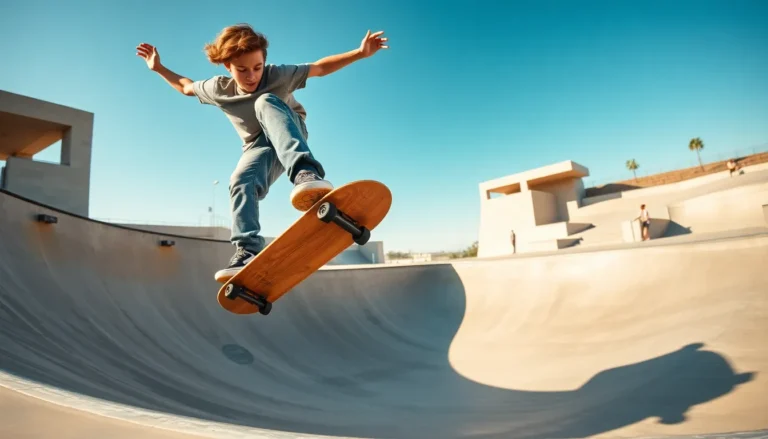
Vert skating happens on half-pipes and ramps. Skaters gain speed, launch into the air, and perform aerial tricks. Tony Hawk made this discipline famous with his 900-degree spin in 1999.
Transition skating includes bowls, mini-ramps, and any curved surface. It focuses on flow, carving, and smooth lines rather than pure technicality. Wider decks and softer wheels help maintain speed through transitions.
Freestyle and Longboarding
Freestyle skateboarding emphasizes flat-ground tricks, spins, and board manipulation. Rodney Mullen pioneered this style and invented tricks like the flatground ollie and kickflip.
Longboarding covers cruising, downhill racing, and dancing. Longer boards (33–46 inches) provide stability at high speeds. This style appeals to riders who value transportation and flow over technical tricks.
The best skateboarding path matches a rider’s interests and natural abilities. Many skaters blend multiple styles as their skills grow.
Tips for Improving Your Skateboarding Technique
Progress in skateboarding requires intentional practice. Random sessions produce random results. Focused effort accelerates improvement.
Film Your Sessions
Video footage reveals flaws invisible in real-time. A smartphone mounted nearby captures attempts for review. Skaters often discover their timing, foot position, or body posture needs adjustment. Comparing footage over weeks shows tangible progress.
Practice Consistently
Short daily sessions beat occasional long ones. Thirty minutes of focused practice five days per week produces better results than one five-hour marathon session. Muscle memory develops through repetition, and consistent practice reinforces neural pathways.
Learn From Others
Skateparks offer free education. Watching skilled skaters reveals techniques that videos miss. Most experienced skaters share advice willingly when asked respectfully. Local skateboarding communities provide support, motivation, and feedback.
Online tutorials from professional skaters break down tricks step by step. Channels dedicated to skateboarding instruction cover everything from basic pushing to complex flip combinations.
Set Specific Goals
Vague goals produce vague results. “Get better at skateboarding” means nothing measurable. “Land ten kickflips in a row” or “drop into the six-foot bowl” creates clear targets. Achieving specific goals builds confidence and maintains motivation.
Take Care of Your Body
Skateboarding demands physical fitness. Stretching before sessions prevents muscle strains. Ankle strengthening exercises reduce injury risk. Rest days allow recovery and prevent overuse injuries.
The best skateboarding comes from skaters who treat their bodies as assets worth protecting.