Skateboarding has grown from a backyard pastime into a global phenomenon. Millions of people ride skateboards every day, whether they’re commuting through city streets or landing tricks at a local skate park. This guide covers everything beginners need to know about skateboarding. Readers will learn about the sport’s rich history, essential gear, fundamental techniques, and popular styles. Whether someone wants to cruise around the neighborhood or eventually compete, understanding these basics creates a solid foundation for progress.
Table of Contents
ToggleKey Takeaways
- Skateboarding evolved from 1940s California “sidewalk surfing” into an Olympic sport, with urethane wheels in 1972 and Rodney Mullen’s 1982 ollie revolutionizing the activity.
- Essential skateboarding gear includes a CPSC-certified helmet, knee and elbow pads, wrist guards, and flat-soled skate shoes for optimal board control.
- Beginners should choose a deck width around 8.0 to 8.25 inches for balanced stability and trick capability.
- Master the fundamentals first—find your natural stance (regular or goofy), practice pushing, turning, and stopping before attempting tricks.
- The ollie is the foundation of almost every skateboard trick and typically takes weeks or months of consistent practice to land.
- Skateboarding offers diverse styles including street, vert, park, freestyle, longboarding, and casual cruising—each suited to different interests and skill levels.
The History and Evolution of Skateboarding
Skateboarding started in California during the late 1940s and early 1950s. Surfers wanted something to do when the waves were flat, so they attached roller skate wheels to wooden planks. People called it “sidewalk surfing” at the time.
The sport gained real momentum in the 1960s. Companies began manufacturing actual skateboards, and the first skateboard competitions appeared. But, the primitive clay wheels made riding dangerous and unpredictable. Many cities banned skateboarding entirely.
Everything changed in 1972 when Frank Nasworthy introduced urethane wheels. These wheels gripped pavement better and absorbed shock. Skateboarding experienced a massive resurgence throughout the 1970s. Skaters like Tony Alva and Stacy Peralta became household names. Empty swimming pools became makeshift skate parks during California’s drought.
The 1980s brought street skateboarding into the spotlight. Rodney Mullen invented the flatground ollie in 1982, which transformed what was possible on a skateboard. Skaters could now jump onto rails, ledges, and stairs. This single trick opened up entire cities as potential skate spots.
Today, skateboarding has reached new heights. It debuted as an Olympic sport at the 2020 Tokyo Games. Professional skateboarders earn millions through sponsorships and competitions. The culture has influenced fashion, music, and art worldwide. What started as surfers killing time has become one of the most popular action sports on the planet.
Essential Gear Every Skateboarder Needs
Before stepping on a board, every skateboarder needs proper equipment. The right gear improves performance and prevents injuries.
A quality helmet tops the list. Head injuries account for the most serious skateboarding accidents. Look for helmets certified by CPSC or ASTM standards. They should fit snugly without wobbling.
Pads protect joints during falls. Knee pads and elbow pads absorb impact on hard surfaces. Wrist guards prevent fractures when skaters instinctively catch themselves. Many beginners skip pads, but experienced skateboarders know better. Even professionals wear protection when learning new tricks.
Skate shoes matter more than people realize. They feature flat soles for better board feel and reinforced areas that resist wear from grip tape. Regular sneakers fall apart quickly and don’t provide the same control.
Choosing the Right Skateboard
The skateboard itself requires careful consideration. Complete setups work well for beginners, they come ready to ride straight out of the box.
Deck width affects stability and trick difficulty. Wider decks (8.0 inches and above) offer more balance for beginners and vert skating. Narrower decks (7.75 to 8.0 inches) flip easier for technical street tricks. Most new skaters do well with something around 8.0 to 8.25 inches.
Trucks connect the wheels to the deck. They should match the deck width. Loose trucks turn sharper: tight trucks feel more stable. Beginners often prefer slightly tighter trucks while they build confidence.
Wheel size and hardness depend on skating style. Larger, softer wheels (54mm+, 78a-87a) roll smoothly over rough pavement. Smaller, harder wheels (50-54mm, 99a-101a) work better for tricks at skate parks.
Bearings determine how freely wheels spin. ABEC ratings indicate precision, though many skaters find ABEC-5 or ABEC-7 bearings sufficient for most purposes.
Fundamental Techniques for Beginners
Learning to skateboard takes patience. Every trick builds on basic skills, so beginners should master these fundamentals first.
Stance comes first. Regular stance means the left foot leads: goofy stance puts the right foot forward. There’s no wrong answer, skaters should use whatever feels natural. A simple test: imagine sliding across a slippery floor. Whichever foot goes forward first indicates the preferred stance.
Pushing provides forward motion. The front foot stays on the board near the front bolts while the back foot pushes against the ground. Keep weight centered over the front foot to maintain balance. Short, controlled pushes work better than long, awkward strides.
Turning requires weight shifts. Leaning toward the toes makes the skateboard turn one direction: leaning toward the heels turns the other way. Start with gentle leans on flat ground before attempting sharper carves.
Stopping safely prevents accidents. The foot brake method works reliably, just drag the pushing foot on the ground while shifting weight to the front foot. Some skaters scrape the tail on the ground, though this wears down the board faster.
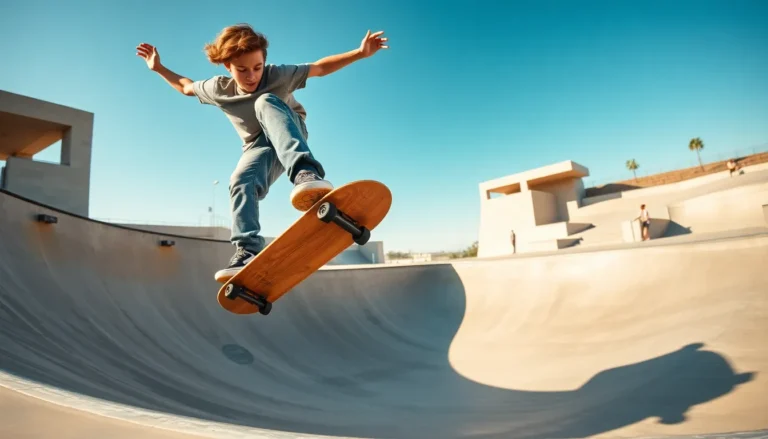
The ollie forms the foundation for almost every skateboard trick. To perform it, skaters pop the tail down while sliding their front foot toward the nose. The board jumps off the ground and levels out. It sounds simple but takes most people weeks or months to land consistently.
Practice makes progress. New skateboarders should spend time just riding before attempting tricks. Comfort on the board matters more than rushing to flip it.
Popular Skateboarding Styles and Disciplines
Skateboarding has branched into several distinct styles. Each discipline attracts different personalities and requires different skills.
Street skateboarding uses urban environments as obstacles. Stairs, handrails, benches, and ledges become features for tricks. Street skaters often film video parts showcasing their best lines and individual tricks. This style demands creativity, finding new spots and seeing potential where others see ordinary architecture.
Vert skating takes place on halfpipes and ramps. Skaters ride up steep transitions, launch into the air, and perform tricks before landing back on the ramp. Tony Hawk popularized vert skating with his 900 (two and a half rotations) in 1999. Vert requires speed, commitment, and comfort with height.
Park skating combines elements of street and vert. Skate parks feature bowls, rails, stairs, and various obstacles in a controlled environment. The 2024 Olympics included park skateboarding events for both men and women.
Freestyle skateboarding focuses on flatground tricks and board manipulation. Rodney Mullen essentially invented this style. Skaters perform intricate flip tricks, spins, and footwork without needing ramps or obstacles.
Longboarding uses longer, wider boards for cruising and downhill racing. Some longboarders reach speeds over 60 mph on mountain roads. Others prefer dancing, walking and spinning on the board while it rolls.
Cruising keeps things simple. Many people use skateboards purely for transportation. A relaxed push through the neighborhood requires no tricks at all. The freedom and fun remain the same regardless of skill level.