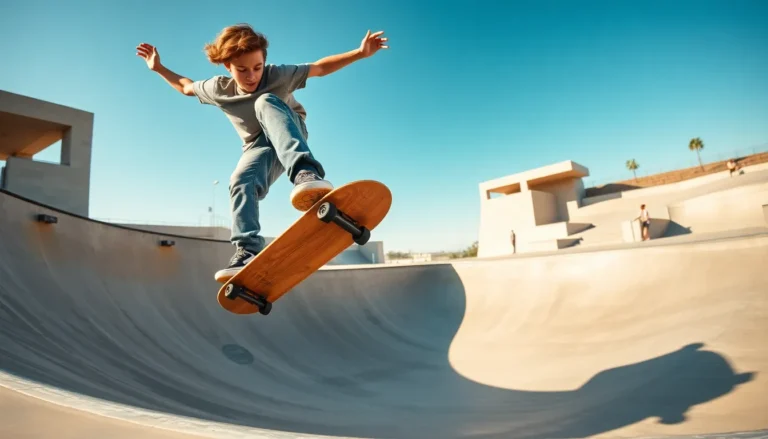
Skateboarding trends 2026 are reshaping how riders approach their boards, their gear, and their communities. The sport has evolved far beyond its rebellious roots. Today, skaters embrace new technology, prioritize sustainability, and blend athletic skill with creative expression.
This year marks a turning point. Electric boards are hitting mainstream adoption. Eco-conscious brands are gaining serious traction. Indoor parks are popping up in cities worldwide. And social media continues to redefine what it means to be a skater.
Whether someone’s been skating for decades or just picked up their first board, understanding these skateboarding trends 2026 matters. They’ll shape the products available, the spots worth visiting, and the culture surrounding the sport for years to come.
Table of Contents
ToggleKey Takeaways
- Skateboarding trends 2026 highlight the mainstream adoption of electric boards with longer range, regenerative braking, and smartphone connectivity starting at just $300.
- Sustainable gear made from bamboo, recycled plastics, and plant-based urethane is now matching traditional performance while reducing environmental impact.
- Indoor skateparks are booming worldwide, offering year-round access, membership models, and community events that make skating more accessible to beginners.
- Skate fashion in 2026 embraces baggy silhouettes, ’90s-inspired designs, and gender-neutral collections that expand the culture’s inclusivity.
- Social media platforms like TikTok and Instagram have become essential for skaters to build careers, with content creation skills now rivaling skating ability in importance.
- These skateboarding trends 2026 reflect a sport that balances innovation with tradition, welcoming both tech-savvy riders and analog purists.
Electric and Tech-Enhanced Skateboards
Electric skateboards have moved from novelty items to serious tools for both commuters and enthusiasts. In 2026, these boards feature lighter batteries, longer range, and smarter controls than ever before.
Top manufacturers now offer boards with regenerative braking systems. Riders can recover energy while going downhill, extending their range by up to 15%. Bluetooth connectivity lets skaters adjust speed limits, track distance, and monitor battery life through smartphone apps.
But electric boards aren’t the only tech upgrade. Smart helmets with built-in cameras and LED indicators are becoming standard. Some brands have introduced boards with embedded sensors that analyze riding style. These sensors provide feedback on foot placement, weight distribution, and trick execution.
For traditional skaters, tech enhancements remain optional. Many purists still prefer analog setups. But, hybrid riders, those who switch between powered and unpowered boards, represent a growing segment. This flexibility defines skateboarding trends 2026 and shows how the sport accommodates different preferences.
Prices have dropped significantly too. Entry-level electric boards now start around $300, making them accessible to younger riders and casual enthusiasts.
Sustainable and Eco-Friendly Gear
Sustainability has become a priority across the skateboarding industry. Brands recognize that their customers care about environmental impact. This shift influences everything from deck materials to packaging.
Bamboo and recycled wood composites dominate the sustainable deck market in 2026. These materials offer durability comparable to traditional maple while reducing deforestation concerns. Some companies have introduced decks made from recycled ocean plastics, turning waste into functional gear.
Wheels and bearings are getting greener too. Plant-based urethane formulas now match the performance of petroleum-based alternatives. Several bearing manufacturers use recycled steel and biodegradable lubricants.
Packaging standards have changed dramatically. Most major brands have eliminated single-use plastics. Skate shops increasingly offer repair services and deck recycling programs. Trading in an old deck for store credit has become common practice.
These skateboarding trends 2026 reflect broader consumer values. Young skaters, in particular, want products that align with their environmental concerns. Brands that ignore sustainability risk losing relevance with their core audience.
Street Style and Fashion Influences
Skate fashion has always influenced mainstream style. In 2026, that relationship works both ways. High fashion brands collaborate with skate labels, while skate companies launch premium clothing lines.
Baggy pants have made a strong comeback. Loose-fitting jeans and cargo pants offer comfort and freedom of movement. Oversized graphic tees featuring original artwork remain staples. Vintage-inspired designs from the ’90s and early 2000s continue to resonate.
Footwear trends favor chunky silhouettes with enhanced padding. Skate shoe technology has improved ankle support and board feel simultaneously. Collaborations between luxury designers and skate brands command premium prices and sell out quickly.
Accessories play a bigger role now. Bucket hats, chain wallets, and beaded jewelry appear frequently at skateparks. These items blend practicality with personal expression.
Skateboarding trends 2026 show fashion becoming more inclusive. Gender-neutral collections have expanded. Sizing options now accommodate a wider range of body types. This inclusivity helps the culture grow beyond its traditional demographics.
Rising Popularity of Indoor Skateparks
Indoor skateparks are experiencing unprecedented growth in 2026. Weather-independent facilities allow year-round skating regardless of climate. Cities previously considered unsuitable for skate culture now host thriving indoor scenes.
These facilities offer advantages beyond weather protection. Controlled environments provide consistent surfaces. Many parks feature multiple zones, street sections, bowls, and beginner areas, under one roof. Some include foam pits for practicing aerial tricks safely.
Membership models have become popular. Monthly fees grant unlimited access, lessons, and equipment rentals. This approach makes skateboarding more accessible to newcomers who aren’t ready to invest in personal gear.
Corporate investment has fueled this expansion. Real estate developers see indoor parks as attractive amenities for mixed-use properties. Shopping centers and entertainment districts increasingly include skating facilities.
The community aspect drives attendance too. Indoor parks host competitions, movie nights, and music events. They’ve become social hubs where skaters connect beyond just riding. These gathering spaces strengthen local skate communities and attract diverse participants.
Skateboarding trends 2026 indicate this growth will continue. New facilities are planned for dozens of cities worldwide.
Social Media and Content Creation in Skate Culture
Social media has transformed how skaters share their work and build careers. Short-form video platforms drive visibility for talented riders. A single viral clip can launch someone from unknown to sponsored in weeks.
TikTok and Instagram remain the primary platforms for skate content. YouTube serves longer edits and documentary-style features. Each platform rewards different approaches. Quick tricks perform well on TikTok, while YouTube audiences appreciate storytelling and production quality.
Content creation skills have become as valuable as skating ability. Top skaters employ videographers, editors, and social media managers. They understand algorithms, posting schedules, and audience engagement strategies.
Brands now scout talent through social media analytics. Follower counts, engagement rates, and audience demographics influence sponsorship decisions. This data-driven approach has changed how companies allocate marketing budgets.
Skateboarding trends 2026 show live streaming gaining momentum. Skaters broadcast sessions in real-time, interacting with viewers and accepting trick requests. This format creates intimate connections between creators and fans.
The democratization of content creation means more voices get heard. Regional scenes gain exposure. Underrepresented skaters find platforms. The culture becomes richer through this diversity of perspectives and styles.