Top skateboarding isn’t just about landing tricks, it’s a culture, a sport, and for many, a way of life. Whether someone’s pushing through a local park or watching pros compete at the X Games, skateboarding continues to grow in popularity worldwide. The sport made its Olympic debut in 2021 and hasn’t slowed down since.
This guide covers everything riders need to know about top skateboarding. From street skating to vert, essential skills to must-have gear, this article breaks down what separates casual cruisers from skilled riders. Beginners will find a solid foundation here, while experienced skaters can sharpen their knowledge of techniques and equipment.
Table of Contents
ToggleKey Takeaways
- Top skateboarding encompasses multiple styles including street, vert, park, freestyle, and longboarding—each offering a unique experience for riders.
- Mastering fundamentals like stance, balance, pushing, and the ollie forms the foundation for all advanced skateboarding tricks.
- Quality gear matters: choose a deck width that matches your style, pair it with properly sized trucks, and select wheel hardness based on your skating surface.
- Always wear safety gear—helmets are essential for beginners and even pros use pads when learning new tricks.
- Progress through tricks systematically, starting with kickturns and manuals before advancing to kickflips and grinds.
- Recording your skating sessions helps identify areas for improvement and accelerates your progression in top skateboarding.
Understanding Different Skateboarding Styles
Skateboarding isn’t one-size-fits-all. Top skateboarding athletes often specialize in specific styles, and understanding these categories helps riders find their niche.
Street Skateboarding
Street skating uses urban environments as obstacles. Stairs, handrails, benches, and curbs become part of the course. This style emphasizes creativity and technical skill. Riders perform flip tricks, grinds, and slides on real-world terrain. Street skateboarding dominates competitions like Street League Skateboarding (SLS).
Vert Skateboarding
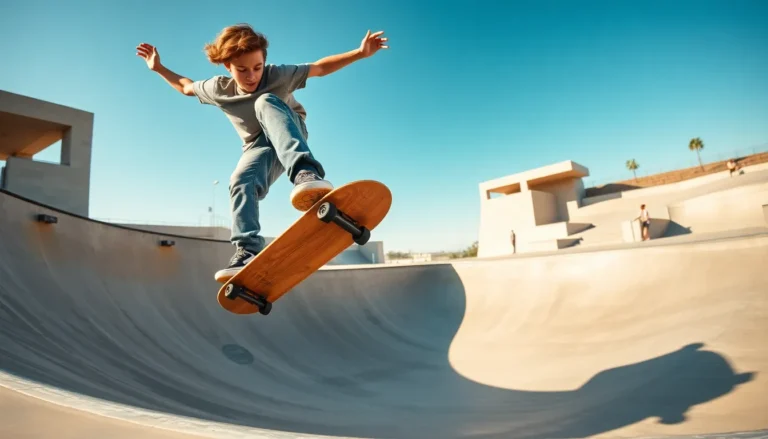
Vert skating takes place on half-pipes and ramps. Riders gain speed to launch into aerial tricks above the coping. Tony Hawk popularized this style in the 1990s, and it remains a crowd favorite. Vert requires strong aerial awareness and comfort with heights.
Park Skateboarding
Park skating combines elements of street and vert. Skate parks feature bowls, ramps, rails, and ledges in one space. This style rewards versatility. Riders flow through the park, linking tricks together in continuous runs.
Freestyle Skateboarding
Freestyle focuses on flat-ground tricks. Riders perform technical maneuvers without ramps or obstacles. This old-school style emphasizes balance, footwork, and board control. It’s less common today but still has dedicated practitioners.
Longboarding and Cruising
Longboards offer a different experience. These longer, wider boards suit downhill racing, carving, and transportation. Cruising appeals to riders who prioritize smooth rides over tricks. It’s a great entry point for beginners.
Essential Skills Every Skateboarder Should Master
Top skateboarding performance starts with fundamentals. Even pros practice basic skills daily. Here’s what every rider should focus on.
Stance and Balance
Determining stance comes first. Regular stance means the left foot leads: goofy stance puts the right foot forward. Neither is better, it’s about personal comfort. Balance forms the foundation of everything else. Riders should spend time simply standing on the board before attempting tricks.
Pushing and Stopping
Pushing generates momentum. The back foot pushes against the ground while the front foot stays on the board. Smooth, controlled pushes beat frantic kicking. Stopping matters just as much. Foot braking (dragging the back foot) works for beginners. Power slides offer a faster stop but require practice.
Turning and Carving
Turning involves leaning in the desired direction. Loose trucks make turning easier: tight trucks provide stability. Carving means making S-shaped turns while riding. This skill builds board control and prepares riders for bowl skating.
The Ollie
The ollie is skateboarding’s most important trick. It allows riders to jump with the board. Top skateboarding tricks build on this foundation. To ollie, riders snap the tail down while sliding the front foot up the board. Timing and practice make it click.
Falling Safely
Every skater falls. Learning to fall properly prevents injuries. Rolling with the fall disperses impact better than bracing with outstretched hands. Wrist guards and pads help, but technique matters most.
Best Skateboarding Gear and Equipment
Good equipment supports skill development. Top skateboarding gear doesn’t have to expensive, but quality matters.
The Skateboard Deck
Decks come in various widths, typically 7.5 to 8.5 inches. Narrower decks suit technical street skating. Wider decks provide stability for vert and transition skating. Maple wood remains the standard material. Deck shape affects pop and feel.
Trucks
Trucks connect the wheels to the deck. They should match deck width for proper balance. Independent, Thunder, and Venture rank among popular truck brands. Truck height affects how the board feels during grinds and tricks.
Wheels
Wheel hardness uses a durometer scale. Harder wheels (99A+) slide easier and suit smooth surfaces. Softer wheels (78A-87A) grip better on rough terrain. Diameter affects speed and trick execution. Most street skaters prefer 50-54mm wheels.
Bearings
Bearings determine how freely wheels spin. ABEC ratings indicate precision, though many skaters find the differences minimal in practice. Bones Reds offer reliable performance at a reasonable price. Clean bearings regularly to maintain speed.
Safety Gear
Helmets protect against serious head injuries. They’re required at most skate parks and essential for beginners. Knee pads, elbow pads, and wrist guards add protection. Top skateboarding pros often wear pads when learning new tricks, there’s no shame in safety.
Shoes
Skate shoes feature flat soles and reinforced areas. They provide board feel and durability. Brands like Vans, Nike SB, and Emerica design shoes specifically for skating. Regular sneakers wear out quickly and lack proper grip.
Top Skateboarding Tricks for Beginners and Pros
Learning tricks keeps skateboarding exciting. Here’s a progression from basic moves to advanced maneuvers.
Beginner Tricks
Kickturn: Lift the front wheels and pivot on the back wheels. This basic move teaches weight distribution.
Manual: Balance on only the back wheels while rolling. It’s like a wheelie and builds core strength.
Shuvit: Spin the board 180 degrees beneath the feet without the body rotating. This trick introduces board manipulation.
Intermediate Tricks
Kickflip: The board flips along its length while the rider jumps. Kickflips combine the ollie with a flicking motion. Most skaters spend months learning this trick.
50-50 Grind: Both trucks grind along a rail or ledge. This grind teaches commitment and balance on obstacles.
Rock to Fakie: On a ramp, the rider rolls up, taps the front wheels over the coping, then rolls back down. It builds comfort on transitions.
Advanced Tricks
Tre Flip (360 Flip): The board does a kickflip and a 360-degree spin simultaneously. This trick requires precise timing and significant practice.
Backside 180: The rider and board rotate 180 degrees with the back facing the direction of travel mid-rotation. Variations include the frontside 180.
Bluntslide: The tail locks onto a ledge or rail while the board sits perpendicular. Top skateboarding competitions feature countless bluntslide variations.
Progression takes time. Riders should master each level before moving up. Recording sessions helps identify areas for improvement.